Kallah & Mikvah
Spray Tan Before the Mikvah? What Kallahs Should Know
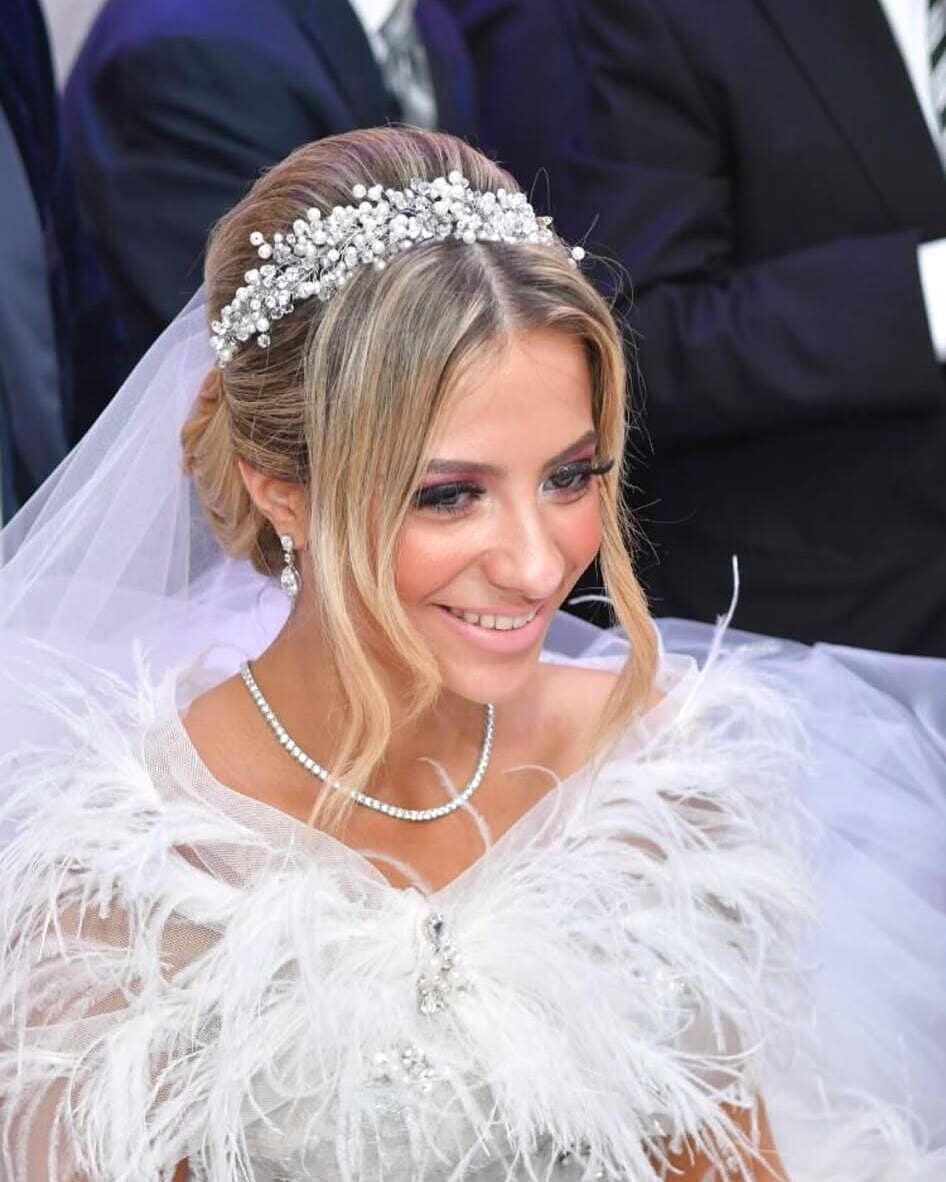
Should a spray tan go on before the mikvah or after? Published halachic Q&A sources such as Yoatzot Halacha and DIN Online have written that a developed (DHA) spray tan is generally not considered a chatzitzah. For a kallah, the widely cited preference is still tevilah first, tan afterwards. Every kallah should confirm with her own kallah teacher, rav or yoetzet halacha.
That is the honest short answer, and it is also as far as a spray-tan studio should go. Rosie is shomer Shabbat and understands why this question matters, but she does not pasken, and nothing on this page is a ruling. What follows is a summary of what the published sources say, an explanation of what is actually in a spray tan (which your rav may want to know), and a list of things to raise with your teacher. Then: ask your kallah teacher or rav, and Rosie will build the schedule around whatever they tell you.
What a chatzitzah is, in one paragraph
For tevilah, the water has to reach all of the body. A chatzitzah is something on the skin that comes between the body and the water. In deciding what counts, the sources generally look at whether a substance has its own body sitting on top of the skin, and whether a woman minds it being there. Something she wants for beauty, and that is absorbed into the skin, is treated differently from paint, dirt or makeup sitting on the surface. That distinction is the whole reason spray tans come up in kallah classes.
What the published sources say
Yoatzot Halacha
Yoatzot Halacha (from Nishmat) has answered this more than once. In a recent Q&A from a kallah about a spray tan, the answer explains that a spray tan is not considered a chatzitzah, because it is there to beautify and its active ingredient is absorbed into the skin and changes its colour rather than staying on top. For a kallah, though, the answer says it would “probably be wisest” to immerse within the accepted window before the wedding and have the tan afterwards. For later immersions, it notes that the tan should look even, that stray tanner on the nails and similar spots should be cleaned off, and that a woman who stops tanning should clean and exfoliate well before her next immersion.
An older Yoatzot answer on self-tanner uses the same reasoning, and adds practical points: immerse when the colour is even, clean the skin well, and no lotion between your preparation and your immersion.
DIN Online
On DIN Online, Rabbi Akiva Dershowitz draws a product distinction that matters a great deal in practice. A tan that works by a chemical reaction in the skin, as DHA does, is fine in his answer. A makeup-type spray or powder that colours the skin only until it is washed off is treated like makeup and should not be on the body at tevilah.
The general preparation checklist
For everything else on the night (nails, makeup, jewellery and the rest), Yoatzot publishes a mikveh preparation checklist. We won’t restate it here; your kallah teacher will go through it with you.
Why the “guide colour” matters
This is where a tanning artist can actually help. Most professional spray-tan solutions, Rosie’s included, have two parts.
- DHA, the active ingredient, which reacts with the outer layer of the skin and develops over about eight hours. This is the part the sources describe as absorbed.
- A cosmetic guide colour (a temporary bronzer), so the artist can see where she has sprayed and so you leave looking tanned. It sits on top of the skin and washes off in your first rinse.
The DIN Online distinction lines up with these two layers. The developed colour is in the skin; the guide colour behaves like makeup. So if a tan is ever on your body at tevilah, the question is not only “is a spray tan allowed?” but also “has every trace of the wash-off layer gone?” That means the first rinse is done, your normal mikvah preparation is done, and there is no build-up of tanner around your nails, cuticles, knuckles, elbows, ankles or hairline. Whether your particular situation is fine is a question for your kallah teacher or rav, not for the studio.
Why tevilah first, then tan, is the common plan
The Yoatzot preference happens to fit the cosmetic timing perfectly. A kallah may immerse up to four nights before her wedding, with the exact night set by her kallah teacher. A wedding tan looks its most natural on Day 2, so it goes on two days before the chuppah. If your tevilah is three or four nights out, you immerse, then tan a day or two later, and the question of a tan at the mikvah never comes up.
If your tevilah turns out to be closer to the wedding, the two timelines collide, and that is a conversation for your teacher. The kallah beauty timeline walks through both scenarios, and our guide to spray tan timing before Shabbat and Yom Tov covers what happens when Shabbat also falls in that week.
Things to raise with your kallah teacher
- Whether a developed DHA tan is a concern for you at all, given your community’s practice.
- If your tevilah is close to the wedding, whether a tan beforehand is acceptable, and what she wants you to check first.
- Whether you should avoid any tan in the days before your first tevilah, even if it would be fine later in married life. Some teachers are more careful about a kallah’s first tevilah.
- Your custom about showering after tevilah, since a tan done afterwards needs its first rinse about eight hours later.
- How to handle henna, if it is part of your week. Yoatzot has a separate answer on henna, and we cover the order of henna and tan in henna and spray tan.
A note on nails
Tanner likes to collect along the cuticles and the sides of the nails. Mention a mikvah night at your appointment so Rosie can take extra care there, and if a tan will be on before a mikvah night, check your nails and cuticles carefully during your preparation and clean off anything that sits on the surface. If your teacher has particular instructions about nails, follow hers.
The range of views, and why “ask” is not a cop-out
The published sources we found agree in principle on a developed DHA tan. Practice and preference still vary. Some kallah teachers and rabbanim take a stricter line, especially for a first tevilah. Many families follow their own community rav, and a Sephardi kallah may want to ask a Sephardi posek rather than rely on answers written for a general audience. Yoatzot itself points out that an answer to one woman’s question may not carry over to a case that looks similar.
That is why every piece of guidance on this site ends the same way. Rosie does not tell anyone that a spray tan is fine for the mikvah, and she will never ask about your cycle. She will tell you exactly what is in the bottle, keep your appointment discreet, and move the date to wherever your teacher needs it.
For married women, too
The same points apply to women who tan regularly and use the mikvah monthly: even colour, no stray residue, and no wash-off cosmetic layer at tevilah. If you have a mikvah night coming up, just tell Rosie a day to work around. Mothers and sisters booking for a wedding can do the same.
When you are ready to book, the kallah spray tan page explains how the private studio works, what kallahs typically book and how to reach Rosie. Or call or text (917) 326-0303. And for anything halachic, ask your kallah teacher or rav. Rosie will build the schedule around whatever they tell you.
Quick answers
Is a spray tan a chatzitzah?
Published Q&A from Yoatzot Halacha and DIN Online treats a developed DHA tan as generally not a chatzitzah, with cautions about evenness, residue and wash-off cosmetic layers. Confirm your own case with your kallah teacher, rav or yoetzet halacha.
Can I wear bronzer or body makeup to the mikvah?
Wash-off body makeup, shimmer and instant tans are a different category from a developed tan, and the sources treat makeup-type layers differently. Don't wear them to the mikvah, and ask your rav if you are unsure about a product.
What should I tell my kallah teacher about my spray tan?
Tell her when the tan would go on relative to your tevilah, that the colour develops through DHA in the skin, and that the solution has a cosmetic guide colour that washes off in the first rinse. Rosie can give you the details in writing.
Will Rosie ask about my mikvah night?
No. If you have a mikvah night to work around, tell her the day, or just the day the tan has to come before or after. Nothing more is needed.
Like the read?
Book a tan with Rosie.
Keep reading
Spray Tan Before Shabbat and Yom Tov: A Timing Guide
Eight hours to develop, one rinse before candle lighting, and a wedding calendar shaped by Sefirah and the Three Weeks. The shomer-Shabbat timing guide.
Read
Spray Tan for Sheva Brachot: Keeping Your Glow All Week
Your wedding tan peaks on the night of the chuppah and fades by the last sheva brachot. Here is how to keep it even all week.
Read