Kallah & Mikvah
Henna and Spray Tan in the Same Week: Order and Timing
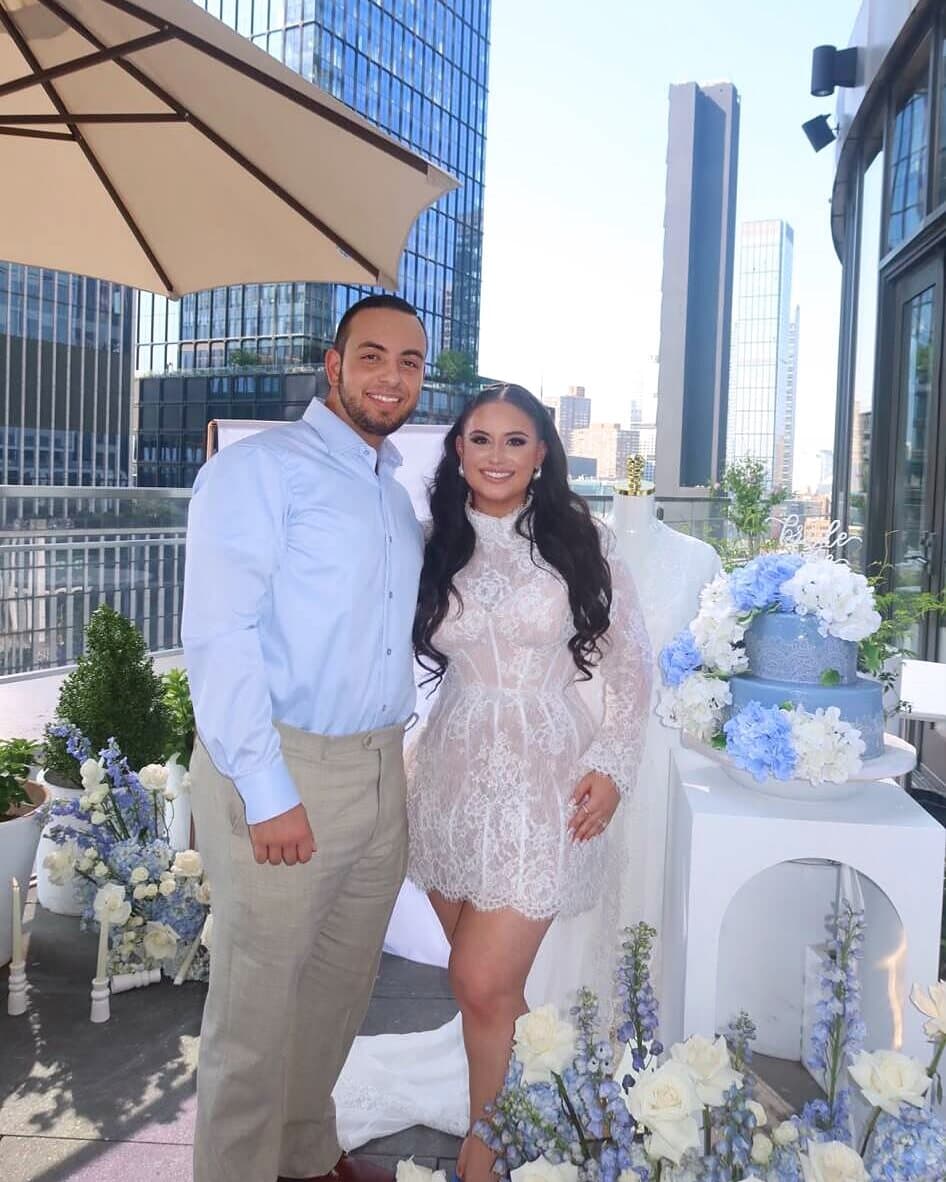
If henna and a spray tan fall in the same week, do the henna first and the tan second. Give the henna stain time to develop, skip scrubbing the hennaed skin when you prep, and tell your tan artist where the design is so she can work around it. If tevilah falls in the same week, your kallah teacher decides how the three fit together.
That is the rule. The rest of this article is about making it work in a real wedding week, where the henna night, the mikvah, Shabbat and the chuppah are all competing for the same six or seven days.
Who holds a henna, and when
The henna is strongly associated with Moroccan, Yemenite, Iraqi and other Mizrahi and North African families. Many Sephardi brides hold one, and so do plenty of mixed-heritage couples, including Syrian and Ashkenazi families marrying into a henna tradition. It is not a universal Syrian custom, and families who hold one do it differently.
Timing varies as much as the dress. Today it is often a single evening shortly before the wedding, sometimes around the Shabbat before. In some modern Moroccan weddings it comes after the wedding instead. Before you plan the tan, pin down which night your family has in mind, and whether the henna will be on your palms only or on the backs of your hands, your feet and your wrists as well. That changes how much the tan has to work around.
Why henna goes first
There are three practical reasons, none of them mystical.
- Tan over fresh henna can shift its colour. A spray tan adds a warm tone to the top layer of the skin. Sprayed directly over a henna design, it can soften the contrast between the stain and the skin around it.
- Tan prep fades henna. A good tan starts with exfoliation and shaving about 24 hours before. Scrubbing hennaed skin is the fastest way to fade the design.
- The henna stain keeps developing. Henna typically deepens after the paste comes off. Your henna artist will tell you how long to leave it and how to care for it, and you want the stain settled before anything goes on top.
Three schedules that work
Most kallahs fall into one of these. The examples assume a wedding tan two days before the chuppah, because the colour looks most natural on Day 2.
1. Henna night without a tan, wedding tan later
The simplest plan. You go to the henna with your own skin (or a Face Only tan, $50, if you want your face and neck to glow in the photos), and your full wedding tan goes on two days before the wedding. If your tevilah comes first, as Yoatzot Halacha suggests for kallahs, the tan goes on after it and the question of tan at the mikvah never arises. On the day of the tan, Rosie works lightly around the hennaed areas.
2. A tan for the henna, and a second for the wedding
If the henna is a big night with a lot of photos, you may want a full tan for it. In that case the tan goes on about two days before the henna, so it is settled and rinsed before the paste is applied. Tell your henna artist you have a tan. Then a fresh wedding tan goes on two days before the wedding, with care around the design.
The catch is tevilah. In this plan, your first tan may still be on your skin on your mikvah night. Published sources treat a developed DHA tan as generally not a chatzitzah, but a kallah’s first tevilah is exactly the case your kallah teacher should rule on. Ask her before you book. Our article on spray tan before the mikvah lists what to raise with her.
3. Henna after the wedding
If your family holds the henna after the wedding, your wedding tan will already be on. That is usually fine: the henna goes on over a settled tan, and if you want to refresh your glow for the later part of the week, a top-up can go on afterwards, around the design. This overlaps with the sheva brachot top-up, so it is often one appointment, not two.
How to prep a tan when you already have henna
- Exfoliate everywhere except the design. Scrub your legs, back and arms as usual about 24 hours before. Leave the hennaed skin alone.
- Follow your henna artist’s aftercare. If she has told you to keep the design dry or oiled for a time, schedule the tan for after that window.
- Arrive with clean, dry skin. No lotion, deodorant, perfume or makeup on tan day. If your henna aftercare involves oil, ask Rosie how far ahead to stop.
- Show Rosie the design. She can go lighter on hands and feet, or keep the tan away from the henna completely and blend the edges so there is no line.
Henna and the mikvah
Henna raises its own mikvah question, separate from the tan. Yoatzot Halacha has a published answer on henna: henna on the hands is generally not a chatzitzah, because it is wanted and absorbed, and it does not need to be scrubbed off. The answer notes exceptions, such as if a woman did not intend to keep it after immersion or it has faded to a state she minds, and says to wash the hands well with soap first. It is a summary, not a ruling. Ask your kallah teacher or rav, and Rosie will build the schedule around whatever they tell you.
Mothers, sisters and the henna crowd
The henna is often the night the women in the family want to look their best, and it tends to come with a lot of close-up photos of hands and faces. Sisters and friends can book their tans at the Midwood studio for $120 each as part of the bridal party. For a group of five or more, Rosie can come to you in Brooklyn or, in summer, to Deal and the Jersey Shore. Tans for the henna, the l’chaim and sheva brachot are described on the spray tan for henna party page.
For the bigger picture of the engagement, from the vort to sheva brachot, see the kallah beauty timeline. To book, call or text Rosie at (917) 326-0303 and tell her three things: the henna night, the wedding date, and roughly where your tevilah falls. She will do the rest of the arithmetic.
Quick answers
Should I get henna or a spray tan first?
Henna first. A tan sprayed over a fresh henna design can change how the stain looks, and the exfoliation a tan needs can fade henna.
How long after henna can I get a spray tan?
Wait until your henna artist says the stain has finished developing, commonly a day or two, then tan with care around the design.
Will a spray tan hide or change my henna?
It can soften the contrast or shift the colour if tan goes directly over the design. Tell Rosie where your henna is so she can work around it.
Can I go to the mikvah with henna on my hands?
Yoatzot Halacha has written that henna is generally not a chatzitzah, with some exceptions and a reminder to wash hands well first. Ask your kallah teacher or rav about your own situation.
Like the read?
Book a tan with Rosie.
Keep reading
Spray Tan Before Shabbat and Yom Tov: A Timing Guide
Eight hours to develop, one rinse before candle lighting, and a wedding calendar shaped by Sefirah and the Three Weeks. The shomer-Shabbat timing guide.
Read
Spray Tan for Sheva Brachot: Keeping Your Glow All Week
Your wedding tan peaks on the night of the chuppah and fades by the last sheva brachot. Here is how to keep it even all week.
Read